

Madagascar
The World's Most Unique Wildlife Destination
Madagascar is unlike anywhere else on earth. Having split from the African continent over 160 million years ago, the island evolved in almost complete isolation, producing an ecosystem of staggering uniqueness — over 90% of its wildlife is found nowhere else in the world. The lemurs alone, of which there are over a hundred species, make Madagascar one of the world’s great wildlife destinations. Add pristine rainforests, dramatic highland scenery, extraordinary baobab trees and some of the finest unspoiled beaches in the Indian Ocean.
When to Travel
DRY SEASON
April to October is generally the best time to visit — cooler, drier and with excellent wildlife viewing as vegetation thins. June to August offers some of the most comfortable conditions. The south is drier year-round than the east.
GREEN / WET SEASON
November to March brings lush landscapes and excellent birdwatching but can make some roads difficult. The whale watching season off Ile Sainte-Marie runs from July to September. The northwest is often clear even during the wet season.
Four Key Areas
Discover the wonders of Madagascar
Andasibe-Mantadia National Park
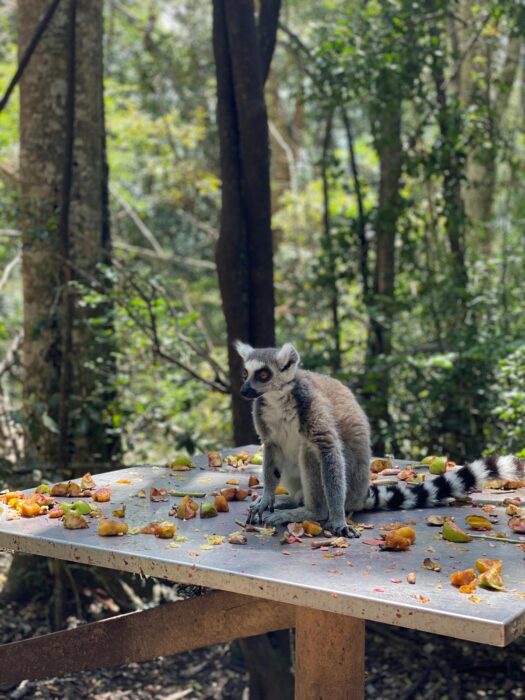
Madagascar’s most accessible and rewarding wildlife destination — a misty rainforest east of the capital where the haunting call of the indri, the world’s largest lemur, carries through the canopy at dawn. The park offers excellent guided walks to find multiple lemur species, chameleons, extraordinary birds and reptiles. It is the natural first stop on any Madagascar itinerary and an introduction to the island’s astonishing biodiversity.
Indri Lemur · Chameleons · Rainforest Walks · Birdlife · Accessible
Avenue of the Baobabs & the West Coast
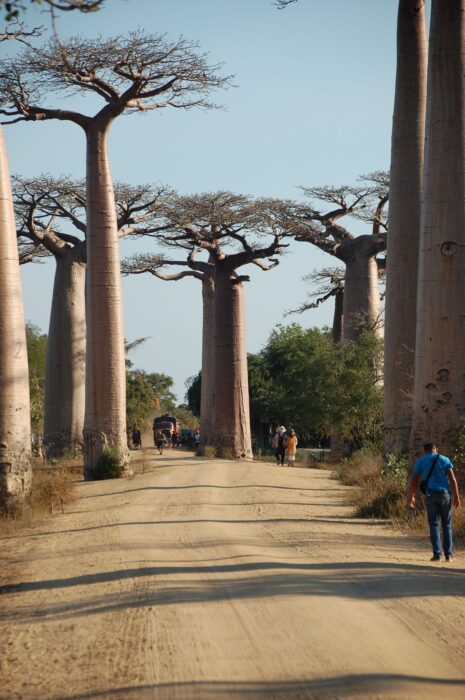
The iconic Avenue of the Baobabs near Morondava is one of the most photographed landscapes in the world — ancient baobab trees, some over a thousand years old, lining a red dirt road as the sun sets behind them. The western dry deciduous forests are home to the fosa, Madagascar’s apex predator, and extraordinary endemic birds found nowhere else on earth.
Avenue of Baobabs · Fosa · Verreaux's Sifaka · Sunset Photography
Ile Sainte-Marie
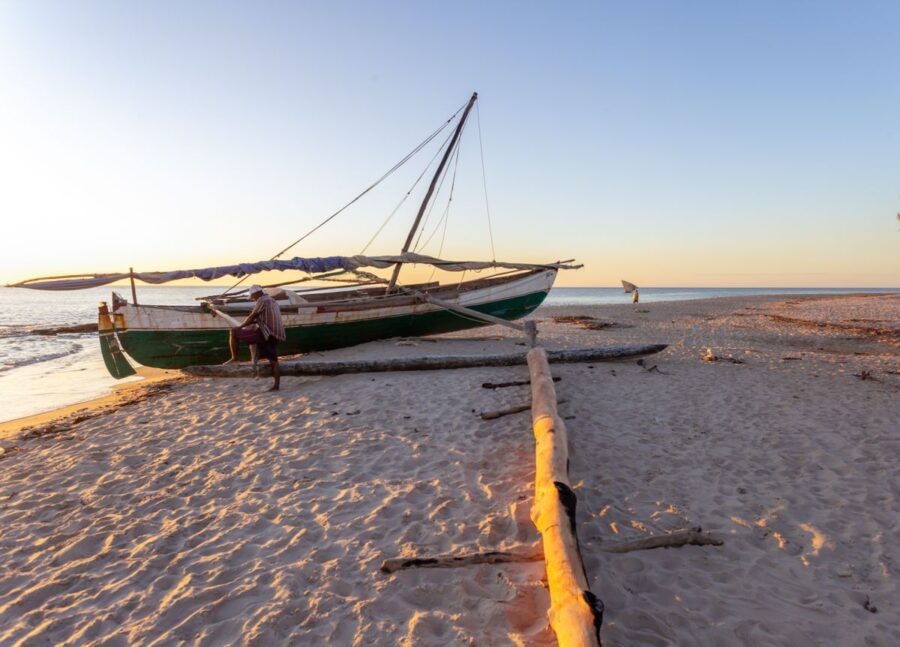
A slender island off Madagascar’s northeast coast, Ile Sainte-Marie is one of the Indian Ocean’s most beautiful and unspoiled destinations. Between July and September, humpback whales gather in the sheltered bay to breed and calve — the island is one of the best places on earth to watch them. The beaches are pristine, the pace is wonderfully unhurried, and a seventeenth-century pirate cemetery adds a memorable dash of history.
Humpback Whales · Pirate Cemetery · Pristine Beaches · Unhurried Pace
Isalo National Park & the South
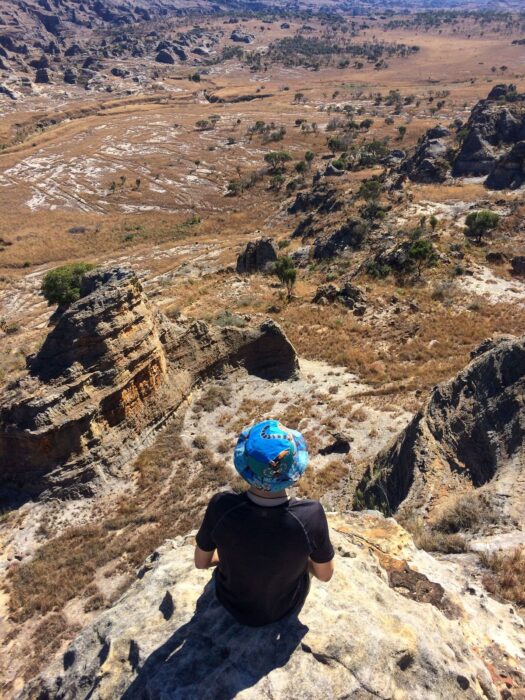
The southern landscapes of Madagascar are some of the most otherworldly on earth. Isalo National Park is a massif of eroded sandstone — canyons, natural swimming pools fed by crystal streams, and ancient Bara burial sites cut into cliff faces. The surrounding spiny forest is unique to Madagascar, where octopus trees and dozens of endemic cactus-like plants create a landscape that looks like no other on the planet.
Sandstone Canyons · Natural Pools · Ring-Tailed Lemurs · Spiny Forest
Discover Madagascar
Let us craft a Madagascar itinerary that is entirely your own. Every journey is designed around your interests, dates and travel style.
Explore Other Destinations